Why Scientists Are Suddenly Looking At A 1,000-Year-Old Japanese Food
Linked To Cardiovascular
Health and Longevity
This strange breakfast staple first caught scientists’ attention for its relationship to heart health. Now, they’re exploring whether the cardiovascular system may influence much more of how we age than they once thought.
Let’s face it: you don’t wake up one morning and suddenly feel old…
Instead, it happens gradually.
You have a little less energy than you used to…
You don’t bounce back quite as quickly…
Things that once felt easy suddenly take a little more effort…
And before long, you start accepting these changes as just another part of getting older.
But what if that’s not the whole story?
New research suggests it’s not.

In fact, while many Americans expect to have less energy and vitality as they get older...
Scientists have spent decades studying populations that don’t seem to view aging through quite the same lens.
Japan, in particular, has become one of their biggest areas of fascination.
Why?
Because Japan is home to one of the longest-lived populations on earth…
With nearly 100,000 people over the age of 100.1
Of course, no one believes there’s a single “secret” to longevity…
But that hasn’t stopped scientists from looking to Japan for clues.

In fact, researchers have long been intrigued by another curious observation…
Which is that Japan historically has much lower rates of coronary heart disease than we do here in the United States.2
Americans will have heart disease in their lifetime4
In the United States, it’s estimated that over 80% of Americans over 50 are at risk for a heart attack3…
And that 1 in 2 Americans will have heart disease in their lifetime.4

Meanwhile, Japan’s rate of heart disease is a fraction of that…
With just 1 in 15-20 people estimated to have heart disease in their lifetime.5
And naturally, that led to a bigger question:
What if your heart health affects more than just your risk of heart attack or heart disease…
And is actually one of the biggest predictors of how well you age?
It turns out, it is.
Because the more researchers studied longevity in places like Japan, the harder it became to ignore one simple fact:
People who age well tend to do more than simply avoid heart attacks…
They often remain active…
Independent…
Capable…
And remarkably resilient well into old age.

In other words, heart health may have less to do with preventing heart attacks or heart disease down the line…
And much more to do with how well you feel now and into your golden years.
Because your cardiovascular system doesn’t just support your heart… it supports the systems that help you think clearly, stay active, bounce back, and continue feeling like yourself as you get older.
The Signs Don’t Always Look Like Heart Problems
When most people picture a heart problem, they picture something dramatic…
Chest pain…
An ambulance…
A frightening diagnosis from a doctor with a serious look on his face…
So as long as none of that has happened to them, they quietly assume everything under the hood is running just fine.
No news is good news, right?
Not exactly…
Cardiovascular aging rarely announces itself loudly.

For most people, it shows up in the background… quietly… in a hundred small ways most people never even think to connect back to their heart.
It might look like having a little less in the tank than you used to.
It might look like getting winded on a flight of stairs that never used to bother you…
It looks like needing an extra day to bounce back from a workout, a long flight, or a late night out…
It looks like you’re feeling a half-step slower than you used to be… a little foggier by mid-afternoon… not quite as sharp as the version of you from ten years ago…
And for a lot of people, it just looks like simply not feeling as much like yourself.
Now, to be clear: none of those things above automatically means you have heart disease. Plenty of things can leave a person feeling flat, tired, and foggy…
And we’re not here to try and diagnose you from a page on the internet… we’d never try to…
But here’s what almost nobody does stop to consider.
So many of the things we shrug off as “just getting older” share one quiet common denominator…
They all depend on how efficiently your body delivers oxygen and nutrients to the places that need them, on demand, all day, every day.
And that delivery job belongs to one system above every other. Your cardiovascular system.
Your Heart Doesn’t Beat Alone
Most Americans are taught, from a young age, to think of the heart as a single organ, with a single job: pump blood, keep the lights on, and try not to have a heart attack.
But that’s a bit like calling a city’s entire network of highways “one road.”
Your cardiovascular system is the master delivery network for your entire body. Every other system you rely on to feel young, capable, and switched-on is sitting at the end of one of its delivery routes, waiting on what it brings…
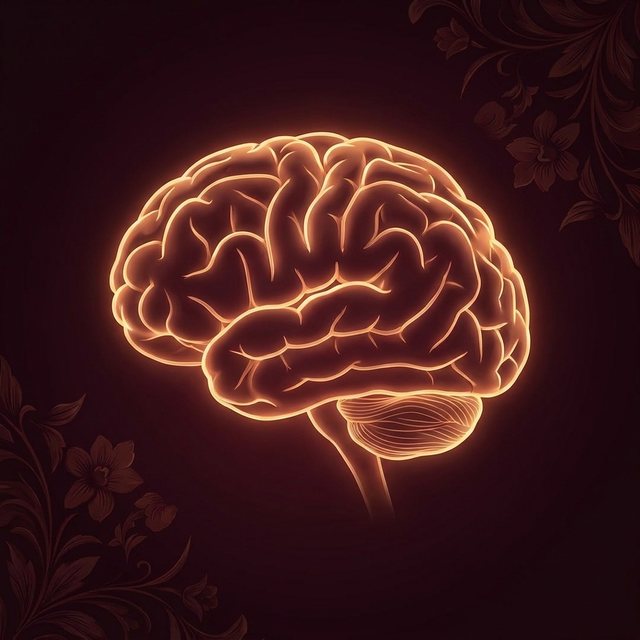
Brain
Runs on a constant, steady supply of oxygen and nutrients, carried to it by your blood, every second of every day.

Muscles
The ones that carry you up the stairs and out of a chair without a second thought need that same delivery system to fire properly and to recover afterward.

Bones
Not dry, dead scaffolding under your skin. They’re living tissue with their own blood supply, depending on nutrients being sent to them, decade after decade.
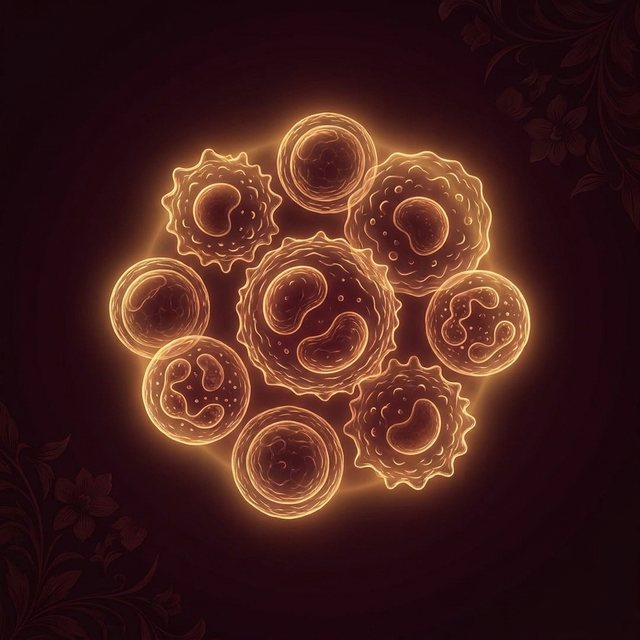
Immune System
Does its “patrolling” through the bloodstream. Every immune cell you have travels those same roads, looking for trouble.
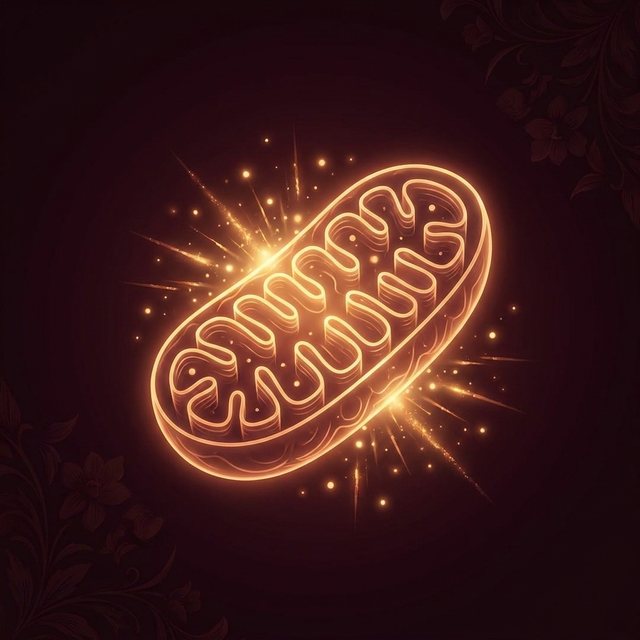
Metabolism
At the cellular level, comes down to whether your cells are getting enough oxygen and raw material to convert food into usable energy efficiently.
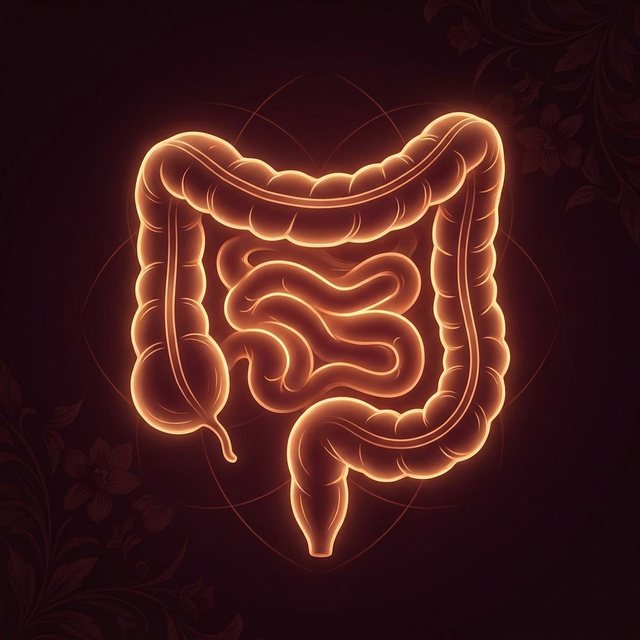
Gut
Increasingly understood by researchers to be deeply tied to cardiovascular and metabolic health, sending and receiving signals the rest of the body depends on.
Now, to be fair, nobody is claiming that taking care of your heart will magically repair a bone or sharpen your memory overnight. That would be a massive oversimplification, and we’re not interested in making promises remotely like that.
The real point is more subtle… and honestly, it’s more interesting.
These systems we’ve been trained to think of as separate compartments, like organs in a textbook diagram…
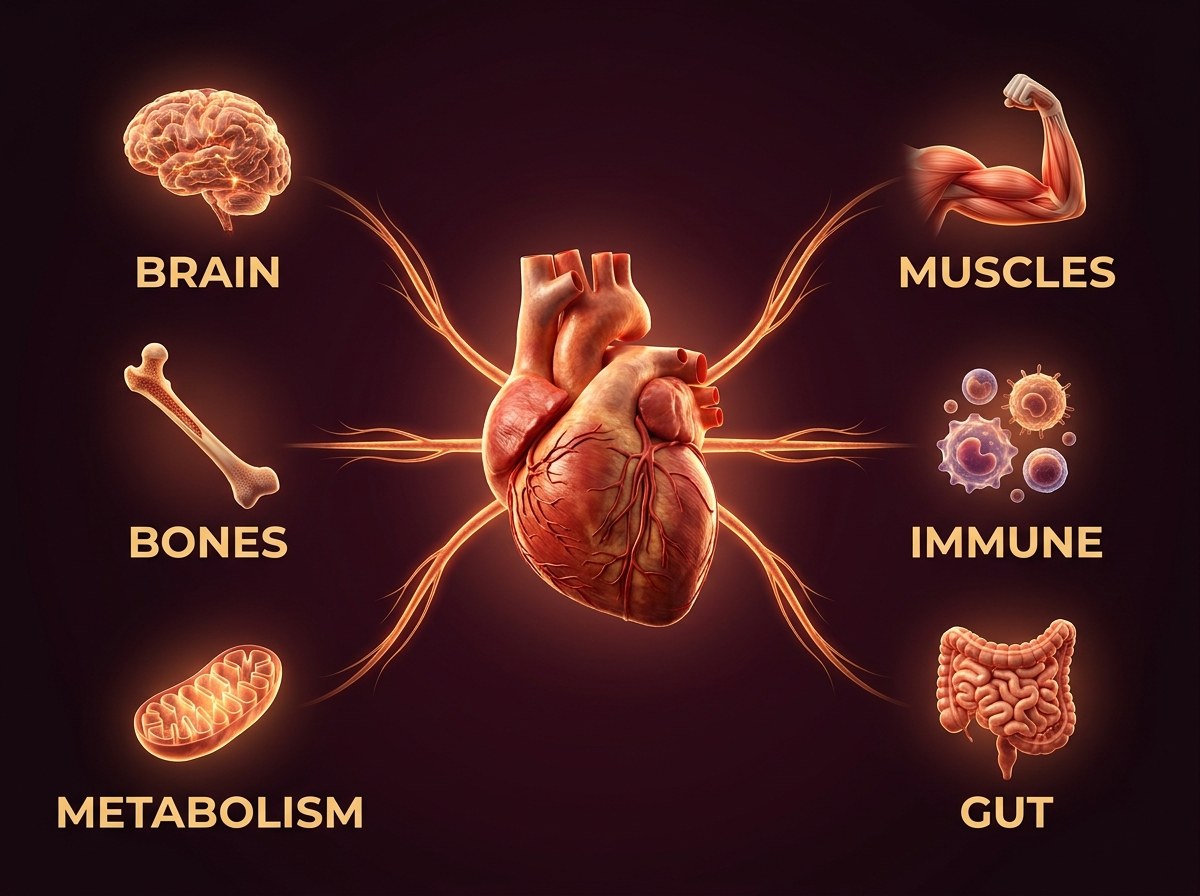
Well, they’re a lot more interconnected than most of us realize. When the delivery network underneath them is running well, they all have a better shot at running well, too.
And when that network starts to slow down, you may begin to feel it. Not dramatically, like a “heart problem.” Not some major health crisis…
But as a dozen small things you quietly blame on the calendar instead.
The Old Way of Thinking About Your Heart Is Incomplete
Here’s the belief most of us are walking around with, whether we’ve ever said it out loud or not…
“Heart health is something I’ll deal with later. It’s about not having a heart attack someday, decades from now. It’s a future problem, right? A box to check at the annual physical.”
It’s treated more like insurance against catastrophe, not as something that shapes how you feel this week…
But the research coming out of the world’s longest-lived populations paints a very different picture. The people who age well don’t simply manage to avoid catastrophe. They don’t just dodge the heart attack and call it a win…
They stay active… independent… mentally sharp… and recover quickly from physical setbacks… in a way that lets them keep doing the things they actually love, whether that’s hitting the links, going away skiing once a year, or just keeping up with the grandkids.
The Old Belief
- My heart health is about preventing a heart attack later in life
- A “someday” problem, checked off once a year
- Insurance against catastrophe, not how I feel today
The New Belief
- My cardiovascular system shapes far more than my heart alone
- It supports the delivery systems every major organ depends on
- An “every single day” foundation, not a someday problem
That single shift changes everything about how you’d want to support it.
It moves heart health out of the “someday” pile, and into the “every single day” pile.
It also goes a long way toward explaining why a strange, humble, thousand-year-old breakfast food from Japan ended up catching the attention of researchers who, on paper, had no obvious reason to care about it.

A Sticky, Stringy, Thousand-Year-Old Breakfast
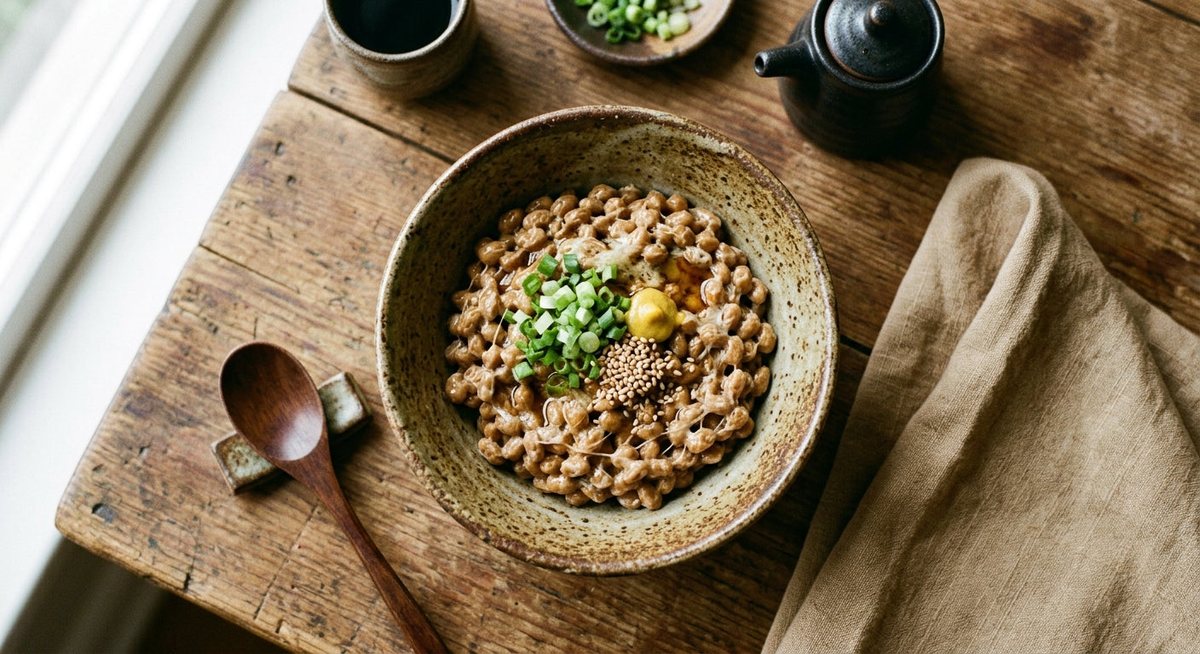
If you’ve ever spent time in Japan, you might have even come across it…
A sticky, stringy, strongly fermented soybean dish, traditionally eaten at breakfast, with a smell and texture that tends to divide a room right down the middle.
Most Westerners who try it for the first time aren’t quite sure what to make of it…
It’s called natto.
And in one form or another, it’s been served on Japanese tables for something close to a thousand years.
Now, for most of that history, nobody thought of natto as anything other than just some humble, traditional food that had been passed down through generations.
Grandmothers made it for their grandchildren the way it had always been made…
And absolutely nobody was studying it in a lab.
Then, more recently, researchers started paying closer attention.
The Clue That Started It All
What first caught their eye wasn’t longevity, and it wasn’t really anything to do with aging at all.
It was natto’s relationship to heart health, and in particular, its apparent connection to healthy circulation and blood flow.
That alone was enough to make natto interesting to scientists…
But as more research was done in the years that followed, a bigger, far more intriguing idea slowly began to take shape in the background…
Because, if cardiovascular health really is one of the central foundations of how well a person ages overall, and if it really is the “base” of what powers the brain, the muscles, the bones, the immune system, and the metabolism, the way researchers were starting to suspect…
Then it starts to make sense how a food traditionally tied to circulatory health could lead to something much bigger.
Sure, nobody’s claiming this is some magic longevity pill… because there’s no one secret here, longevity is far too complex for any one food, compound, or capsule to take credit for…
But what if this was a clue… an “entry point” into a much larger and more interesting question about how the body’s systems age together, as a connected whole, rather than as a collection of separate, unrelated parts?
Well, this is exactly what scientists started looking at. And when they looked closely at what was actually happening inside that humble, centuries-old ferment…
What they found was genuinely remarkable.
One Ancient Ferment. Three Powerful Compounds.
Natto isn’t valuable because of one single ingredient inside it…
The fermentation process itself, the slow transformation of an ordinary soybean into something else entirely, creates several distinct bioactive compounds at the same time, side by side, inside a single humble food.
But three of those compounds stood out more than any others.
Nattokinase
An enzyme produced naturally during fermentation. Heavily studied for its role in supporting healthy fibrinolytic activity, healthy blood flow, and overall vascular function.
Vitamin K2 (MK-7)
Produced naturally as soybeans ferment. Helps activate the very proteins responsible for directing calcium toward bone tissue, supporting blood vessel function and skeletal integrity at once.
Bacillus Subtilis
The living probiotic strain that actually ferments the soybeans into natto in the first place. It acts almost like a living bridge between the gut and the rest of the body’s systems.
Together, these three powerful compounds make up one traditional, humble food…
And each one quietly touches a different system inside the body: circulation, bone, and gut. Yet all three arrive together, packaged the exact way nature intended.
Now, that’s a pretty impressive starting point, but thankfully, the research didn’t stop there.
Two More Well-Studied Compounds
Ellagic Acid
A polyphenol best known for being found in pomegranate. Studied for its antioxidant support and role in maintaining healthy blood vessel function. Once inside the body, it’s converted into urolithins, studied for supporting healthy mitochondrial function.
Pterostilbene
A polyphenol closely related to resveratrol, the compound made famous by red wine, but with significantly better bioavailability. Studied for supporting healthy fat metabolism and balanced metabolic signaling.
Have a think about the pattern that’s starting to emerge…
A solid foundation drawn from one ancient, time-tested ferment, nattokinase, Vitamin K2, and Bacillus subtilis, backed up and extended by two of the most well-studied polyphenols in the whole field of natural health research.
Five specific compounds, deliberately chosen for how each one supports an interconnected system, and for how they work alongside one another rather than on their own.
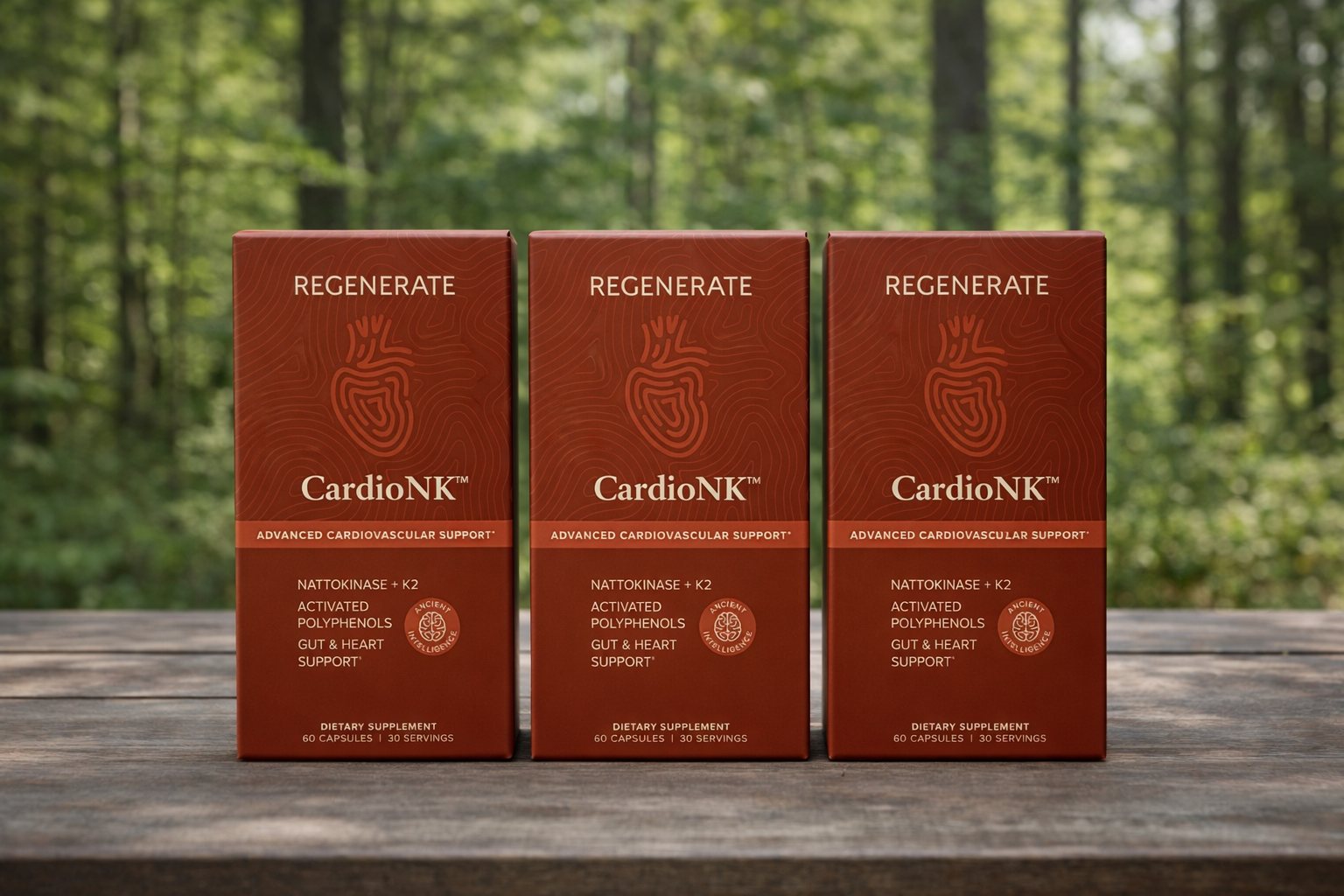
CardioNK™ is built around a Regenerative Organic Certified®
Natto Complex…
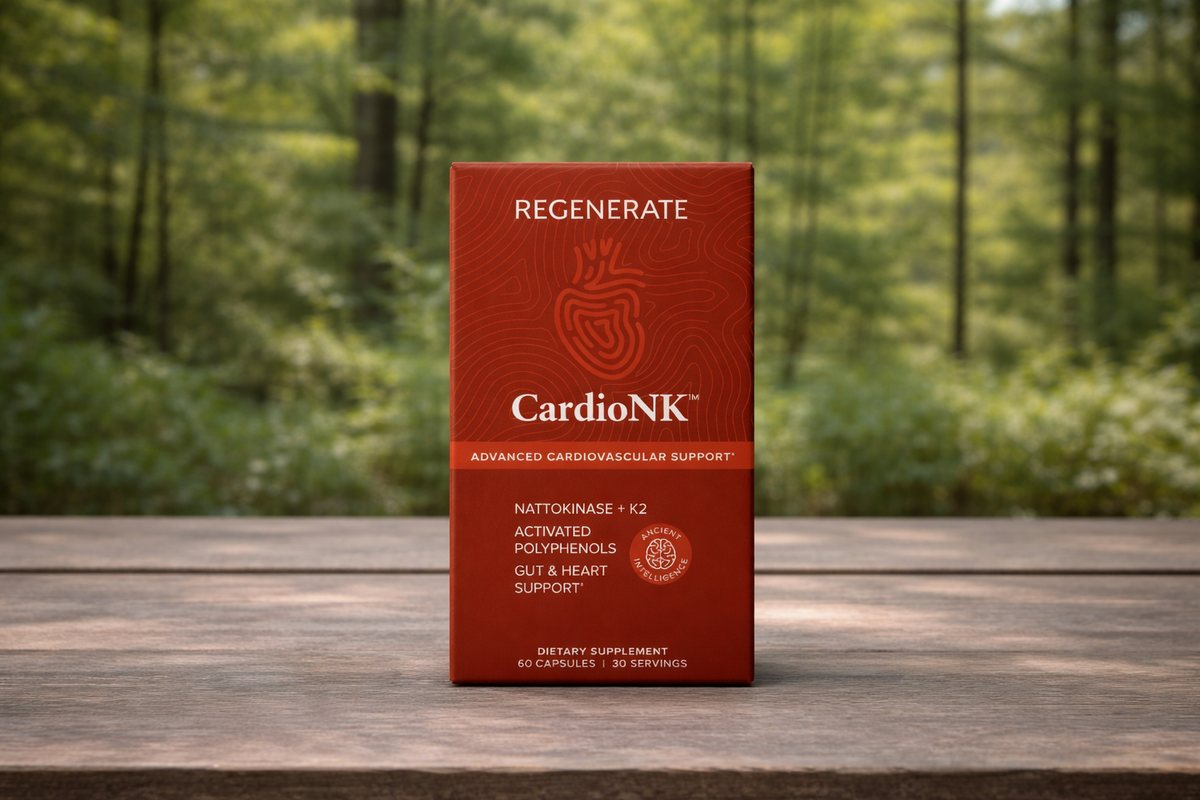
The very same ancient ferment that kicked off this entire story, and inside, it carries a full clinical-grade dose of nattokinase, naturally occurring Vitamin K2, and the clinically studied AB22® strain of Bacillus subtilis probiotic.
On top of that foundation are two additional compounds: EA-613™ hyper-soluble ellagic acid, and pterostilbene.
It’s probably better described as a cardio-gastro-neuro-osteo-immuno-metabolic stack, deliberately designed to support the whole interconnected system we’ve been talking about.
Just two delayed-release capsules a day. Let me show you exactly what’s inside, and why each ingredient earns its place…
The Full Cardiovascular Stack
Nattokinase — 10,800 FU
The Heart of the Formula
Nattokinase is the fibrinolytic enzyme created naturally during the fermentation of natto, the very same compound that first got researchers’ attention. It’s been studied extensively for its role in supporting healthy blood flow and vascular function.
In one double-blind, placebo-controlled human study, researchers at Ritsumeikan University in Japan found that even a single oral dose enhanced multiple markers associated with the body’s natural fibrinolytic system.
Most nattokinase products give you around 2,000 fibrinolytic units. CardioNK™ delivers a full 10,800 FU per serving, around five times what you’ll find in most typical supplements, and exactly in the range of doses used in clinical research.
That dose is delivered inside a delayed-release capsule, because nattokinase is a delicate enzyme and the stomach is a harsh, acidic environment. The delayed-release design helps the enzyme survive stomach acid and reach the gut fully intact.
Vitamin K2 (MK-7)
The Bone-Vessel Partner
Produced naturally during the same natto fermentation process, Vitamin K2 in its MK-7 form is nattokinase’s quiet, often overlooked companion.
Its job, in simple terms, is calcium traffic control. Vitamin K2 helps activate the proteins in our bodies responsible for directing calcium toward your bones where it’s needed and useful, rather than letting it build up in places it’s not.
By doing both, it supports healthy blood vessel function and skeletal integrity at the same time. It’s a natural fit alongside nattokinase, and even more powerful when combined with the third ingredient.
EA-613™ Ellagic Acid — 100 mg
Hyper-Soluble From Pomegranate
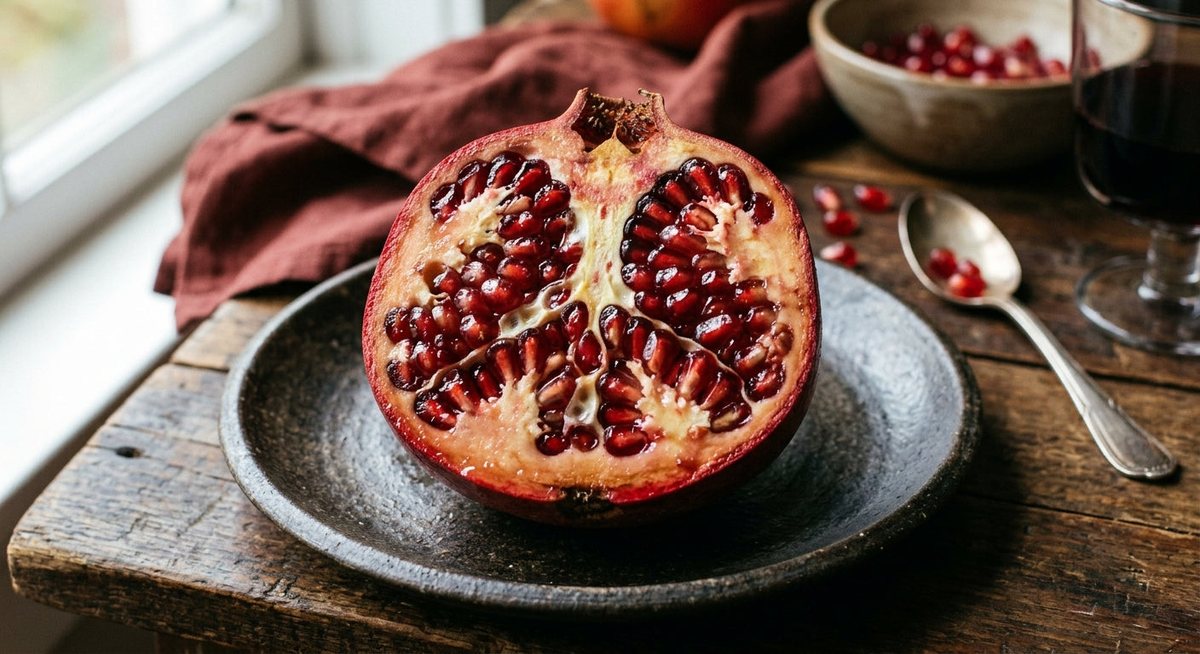
EA-613™ is a proprietary, hyper-soluble form of ellagic acid from pomegranate. The number 613 is the exact average number of arils, the little ruby-red seeds, inside a pomegranate fruit.
The type of ellagic acid in most supplements has one real problem: the human body struggles to absorb it. EA-613™ was specifically engineered to be up to 1,000 times more bioavailable, so your body can access far more of what you’re swallowing.
A 100 milligram serving of EA-613™ supports antioxidant defense and helps maintain healthy blood vessel function, creating a special synergy with the fourth ingredient.
Pterostilbene
Resveratrol’s More Bioavailable Cousin
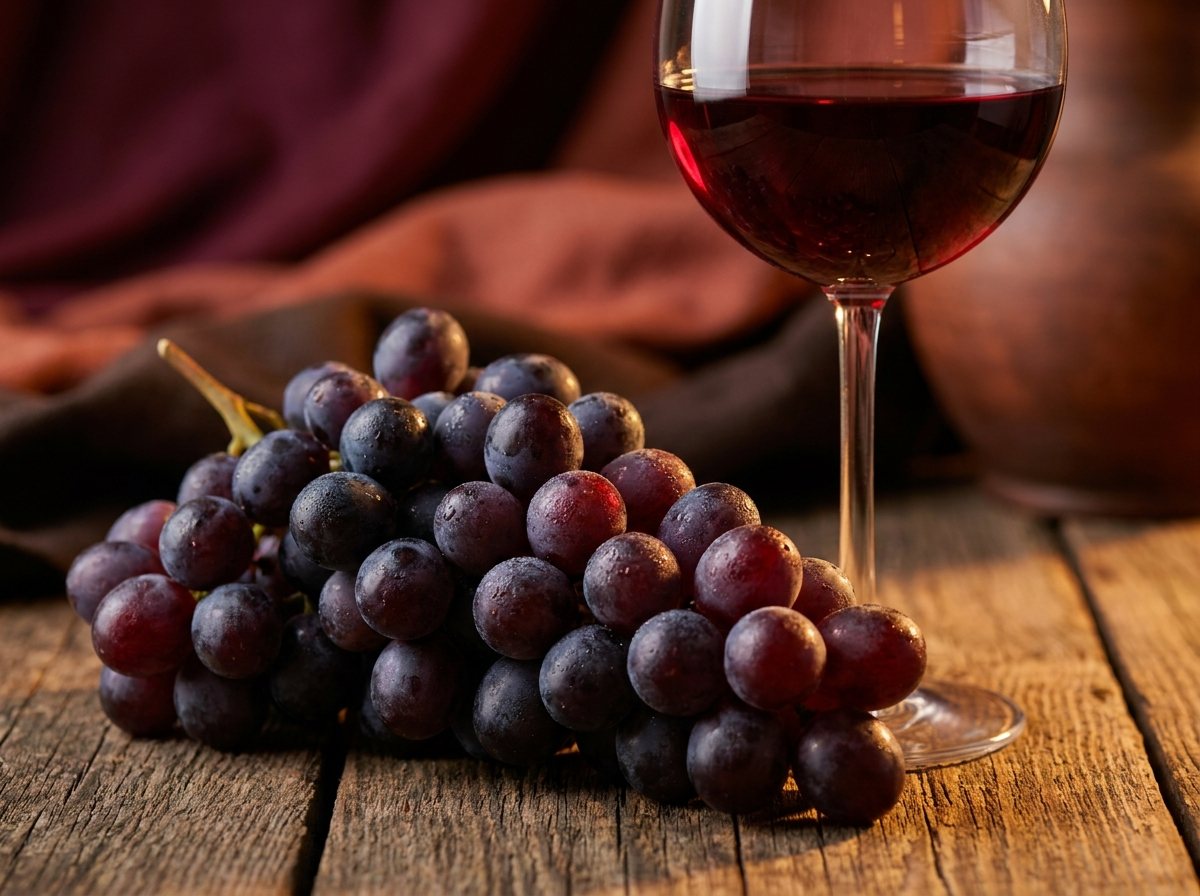
Pterostilbene is a methylated form of the same famous polyphenol made well known by red wine, and that small structural difference gives it far better bioavailability. Your body can hold onto it longer, and use significantly more of what’s consumed.
Pterostilbene has been studied for its support of healthy fat metabolism, balanced metabolic signaling, and overall cellular resilience.
One randomized clinical trial at the University of Mississippi found pterostilbene supplementation was associated with significant reductions in systolic and diastolic blood pressure in adults over a 6-8 week period.
AB22™ Bacillus Subtilis
The Living Bridge
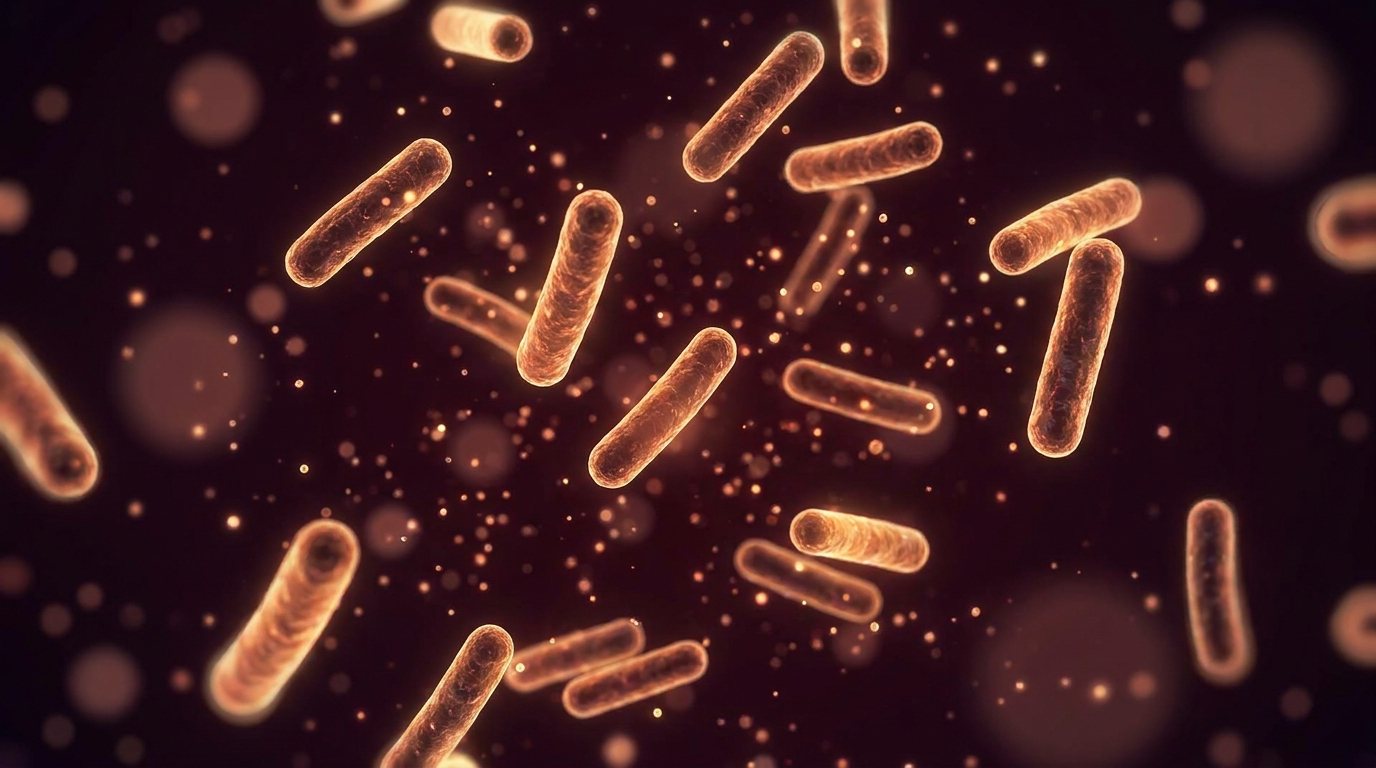
The fifth ingredient is the same probiotic strain responsible for fermenting natto in the first place, but here it’s included as a clinically studied ingredient rather than just a byproduct.
In laboratory research, Bacillus subtilis has been shown to enhance the activity of key antioxidant defense systems, including glutathione, catalase, and superoxide dismutase (SOD), which helps protect the body’s cells against oxidative stress.
It also helps break down proteins, fats, and tough plant fibers like cellulose, supporting the kind of digestive health researchers increasingly believe is tightly tied to overall cardiovascular wellness.
Taken together, these five ingredients are designed to support different parts of the same interconnected system, but they’re all built on one shared foundation.
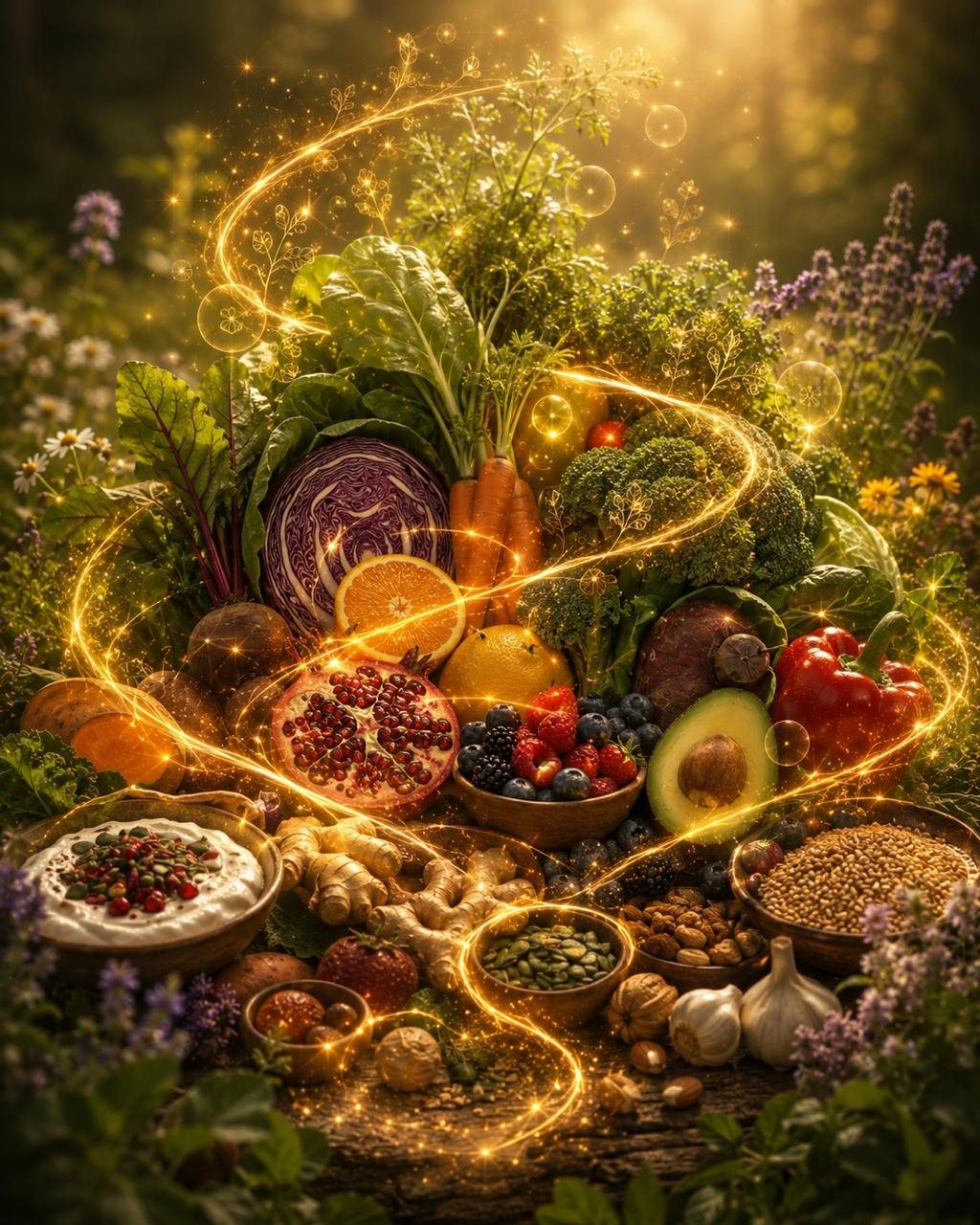
The Regenerative Natto Complex. A fully-synthetic blend, no matter how cleverly formulated, simply can’t replicate this.
By building the entire foundation around a real, whole-food Regenerative Natto Complex, rather than five separately isolated powders mixed together in a lab, CardioNK™ delivers the postbiotics and bioactive peptides that the natural fermentation process creates.
It’s the difference between building something from scratch, and starting with something that’s already complete. Fermentation doesn’t just produce nattokinase, Vitamin K2, and Bacillus subtilis. It also creates dozens of other naturally occurring compounds that remain part of the finished Natto Complex.
It’s All Connected
Here’s what those two capsules are designed to support, throughout the body.
Two Capsules. Every Major System.
It may come in just two capsules, but those two capsules were designed to support far more than just one part of the body. Because the human body’s systems don’t work in isolation, so neither should the way we support them.
What Would This Cost You Individually?
Here’s something worth pausing on for a moment, because the math tells its own story…
If you wanted to assemble everything found inside CardioNK™ entirely on your own, buying each individual compound separately, in the right form, and at effective doses, here’s roughly what you’d be looking at spending each month:
Every month, that’s at least $150… more like $180+ if you want any real quality…
And forget the price: that’s five different supplements, five labels, five routines to manage, before even factoring in whether you can reliably source each ingredient, every month, in the same clinically-studied form your body actually needs.
CardioNK™ brings all of this together in a single daily formula for just $63.96/month on subscription. No hidden blends. No unclear or inconsistent dosing. Every ingredient and its exact amount is fully disclosed on the label…
Servings Per Container: 30
+ Daily Value not established. * At time of manufacture.
Other Ingredients: Delayed-release capsule (hypromellose, gellan gum), organic Copernicia cerifera wax.
Contains: Soy (fermented).
Suggested Use: Take 2 capsules once per day.
So you can finally replace a messy, fragmented routine with something simple, transparent, and actually designed to be taken every day.
No more half-finished bottles sitting in cupboards…
Because at the end of the day, the best supplement stack isn’t the one with the most ingredients… it’s the one you’ll actually stick with.
Why Hasn’t Anyone Combined All Five Before?
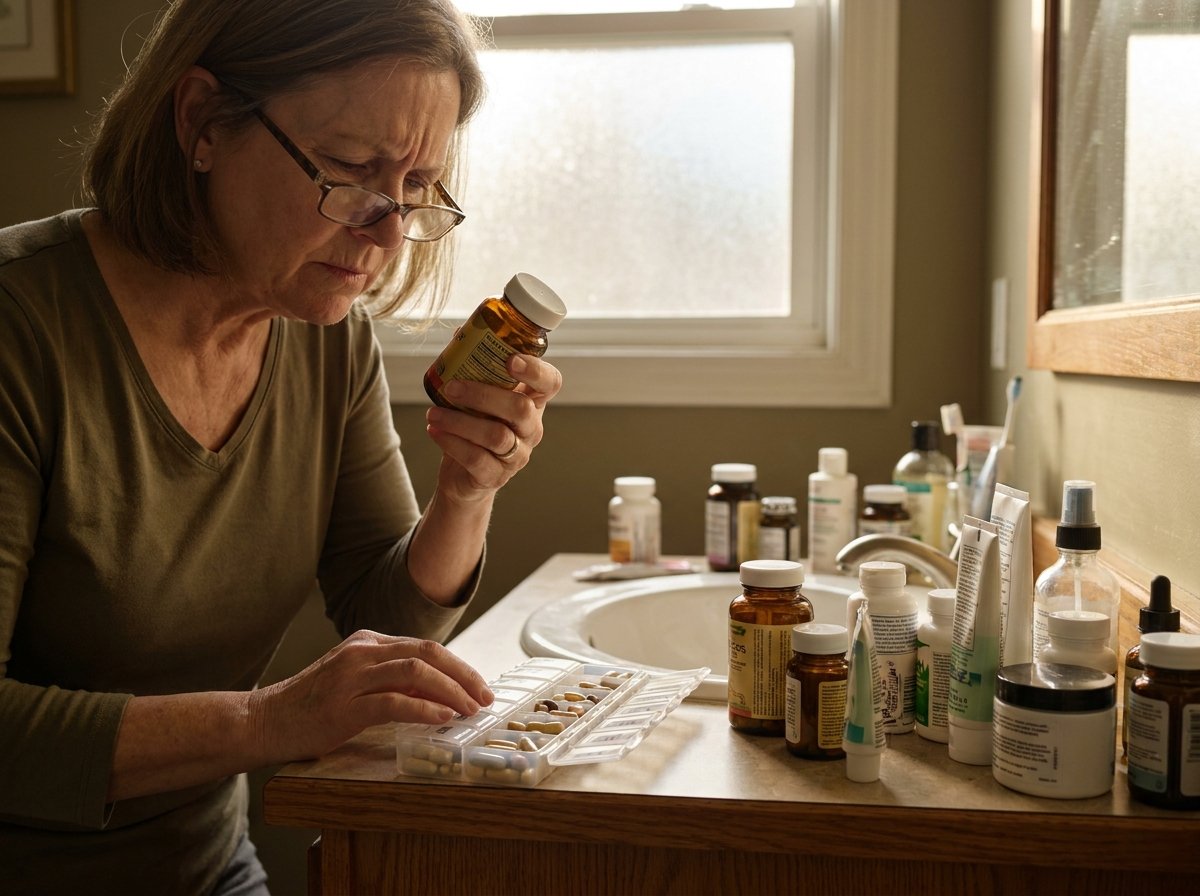
It’s a completely fair question to ask… if each of these compounds is this well studied on its own, why are they almost never found together in a single formula?
The honest answer turns out to be the same one that explains most of the modern supplements you’ll come across.
Doing it properly is expensive. Doing it cheaply is reliably profitable. So it’s understandable why most companies choose the second option.
A clinical-grade 10,800 FU dose of nattokinase costs real money to source…
A hyper-soluble form of ellagic acid costs considerably more than the cheap, poorly absorbed standard version most companies default to…
A genuine whole-food regenerative ferment costs more than a synthetic isolate manufactured in bulk…
A proper delayed-release capsule costs more than a plain, ordinary one…
I think you get the point…
And that’s why most formulas on the market quietly cut every single one of those corners, one after another, and then hide the disappointing result inside some “proprietary blend” listing, specifically so you can’t easily see just how little of each individual ingredient you’re actually getting.
CardioNK™ was designed deliberately to be the exact opposite of that approach. No other formula we’re aware of combines a full clinical dose of nattokinase, a hyper-soluble form of ellagic acid, a clinically studied probiotic strain, and a whole-food regenerative natto complex, all inside one delayed-release capsule, with every single dose fully and transparently disclosed.
We Don’t Source Our Ingredients… We Grow Them.
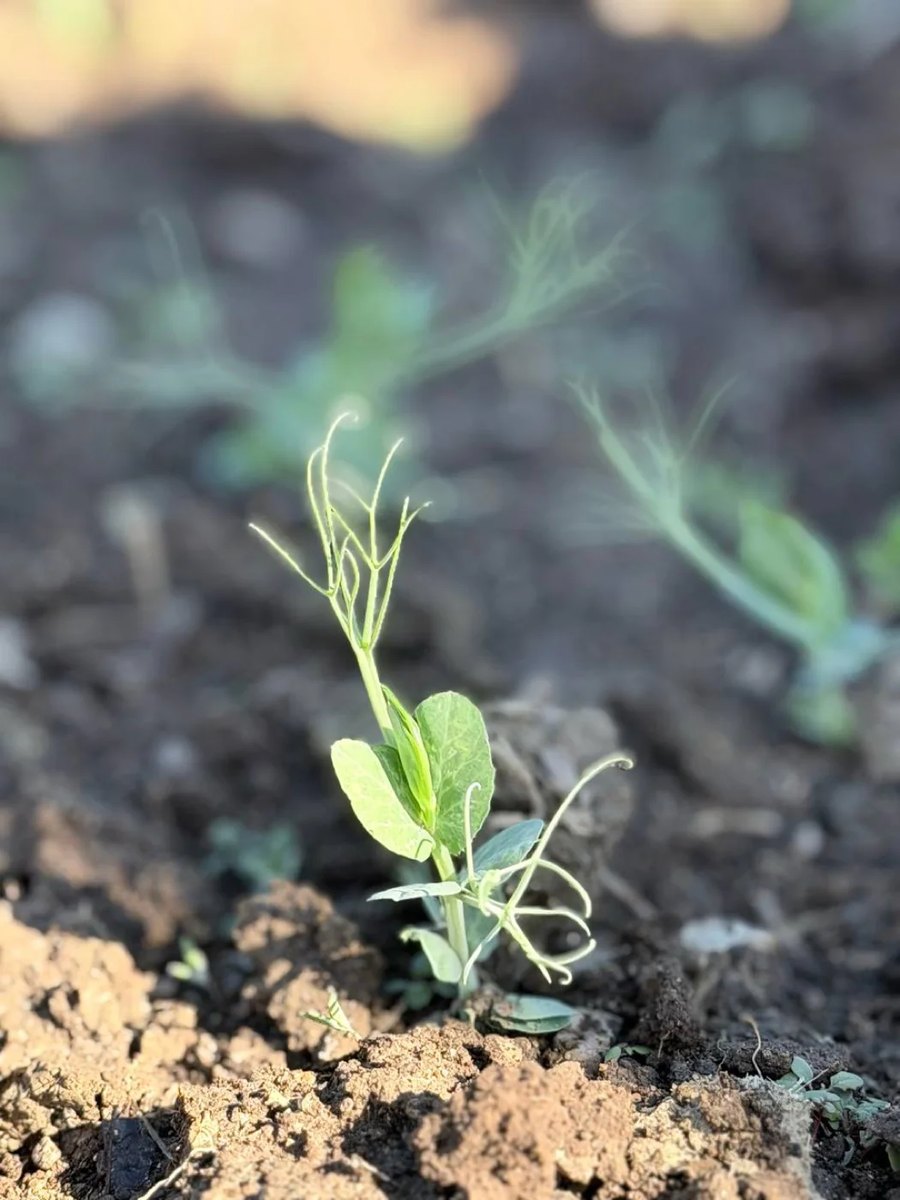
Most supplement companies source their ingredients: they purchase raw materials from whichever supplier, in whichever country, at whatever quality level the price point happens to allow for…
But that’s not how CardioNK™ is formulated.
The legumes fermented into the natto inside every bottle of CardioNK™ are planted, carefully tended, and harvested on a Regenerative Organic Certified® farm. Because the quality of the starting material in a living ferment is everything.
Where it’s grown, how it’s grown, how gently it’s been processed. These factors all shape what ultimately survives into the final bottle…
It’s actually the same basic difference between a home-grown tomato picked ripe off the vine, compared to the pale, mass-produced one trucked in from halfway across the country. You can taste the difference instantly, and with a whole-food ferment like this one, the same basic principle holds true, especially when it comes to actually doing meaningful work inside your body.
Plus, every single batch of CardioNK™ is third-party tested for purity and potency, with full, complete label transparency on every single dose, every single time.
Peer-Reviewed Research on Every Single Ingredient
Every ingredient inside CardioNK™ was selected after reviewing a large body of peer-reviewed research on natural compounds and their biological activity.
That means every single individual compound included in the formula was chosen based on evidence showing how it positively impacts the body.
Meet the Man Behind the Formula

CardioNK™ was formulated by Sayer Ji, founder of GreenMedInfo™, an open-access database that has spent more than two decades curating tens of thousands of peer-reviewed studies on natural compounds and natural substance pharmacology.

Sayer has published multiple best-selling books, spoken all around the world about natural medicine, and partnered directly with leading researchers and formulators, the same people responsible for pioneering entire categories and developing number-one selling products across the natural health space.
In his own words:
“For over two decades, I’ve studied thousands of natural compounds and reviewed the peer-reviewed research behind them. CardioNK™ is the formula I’ve wanted to exist: a whole-body stack, built on a regenerative natto complex, that I’m proud to share with my family and with you.”
This is a formula deliberately built around what the human body actually uses and can put to work, not around whatever happens to be cheapest to manufacture and ship at scale.
Sayer Ji
How to Take CardioNK™
Take Two Capsules Each Day
Two delayed-release capsules, taken daily with a meal. No mixing, no careful measuring required, and no complicated multi-step protocol to remember or follow.
Be Consistent
This is where most people notice the real change, because the compounds inside CardioNK™ build gradually in your system the longer you take it. One simple daily stack replaces an entire shelf of separate, individual bottles.
Feel the Difference for Yourself
Many people report noticing changes in their energy and overall vitality somewhere within the first 4-8 weeks, with the deeper circulation-related and whole-body benefits often continuing to develop over a longer period of 8-12 weeks of consistent, daily use.
Ready to Experience the Same Results?
“I started taking this for long term health, but there’s been an interesting effect. I’m an avid hiker - I like to walk trails and climb hills/mountains - and the muscles in my legs do not seem to hurt as much (lactic acid buildup) after - this seems to be concurrent with taking CardioNK. I have no idea why this would happen. In any case I’ll continue to monitor how I feel each time after I go out.”
“I started taking this and within a day or 2 had more energy along with so many other good side effects. So glad I tried it and will be taking it everyday.”
“A positive to have this herb combination in a two capsule serving. Finding reliable individual products is a hassle. I’ve supplemented with these herbs for several years because of a family history of cardiovascular and diabetic diseases. So far my health is holding into my 70’s unlike my parents.”
“I love all the Regenerate supplements. Subscription is perfect too.”
CardioNK™ is currently in its initial launch phase, and each batch is carefully managed to ensure consistent quality and availability.
Choose Your Supply

Our Guarantee to You
Try CardioNK™ for a full 30 days, risk-free…
And if for any reason you’re not 100% satisfied within those first 30 days, simply contact us directly for a full refund.
No questions asked. No hassle… no complicated hoops to jump through, no awkward questions asked…
Just a straightforward way to try the formula and see how it fits your routine.
It’s Your Choice

Now you understand something most people are never given the chance to have properly explained to them, because most people were never really taught to think about cardiovascular health this way.
Not as something you only worry about decades down the line, but as the system that supports everything from energy and recovery to clarity and everyday resilience.
You can keep treating those gradual changes as just “getting older”…
Or you can choose to support the system they often trace back to in the first place…
CardioNK™ was designed for that second option.
What are you actually supporting every day?
A single daily stack, rooted in a traditional fermented food and layered with clinically studied nutrients, designed around how the body actually works, as an interconnected system.
Everything You Need to Know
Sources
1, 2. bbc.com/news/articles/cd07nljlyv0o
ahajournals.org/doi/10.1161/circulationaha.107.750117
3, 5. cdc.gov/heart-disease/data-research/facts-stats/index.html
4. newsroom.heart.org/news/heart-disease-remains-leading-cause-of-death
6. nature.com/articles/srep11601
7. pubmed.ncbi.nlm.nih.gov/25057276
8. academic.oup.com/femsle/article/124/3/255/501986
† These statements have not been evaluated by the Food and Drug Administration. This product is not intended to diagnose, treat, cure, or prevent any disease.